
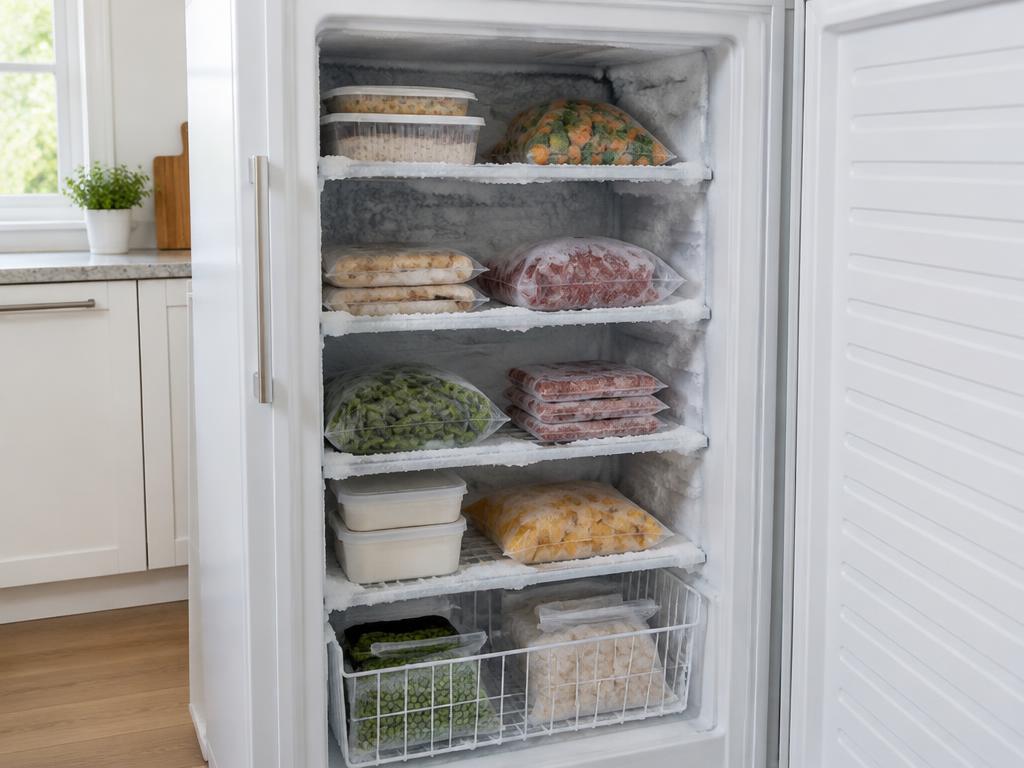
A little frost can sometimes appear around a freezer door after it has been opened for a long time. Thick ice on shelves, a wall of frost on the back panel, or frozen drawers that will not move are different problems. For homeowners in Longmont and surrounding Northern Colorado communities, unwanted frost can reduce usable storage space and make the freezer work harder.
Quick answer: Excess frost usually means moisture is entering the freezer or the appliance is not defrosting correctly. A door left ajar, damaged gasket, obstructed vents, or failing automatic-defrost component may be responsible. Check the door and airflow first, and arrange repair if frost returns repeatedly.
Why Does Ice Form Inside a Freezer?
Warm air contains moisture. When that air reaches the freezer's very cold interior surfaces, the moisture can freeze. Frequent door openings can contribute to small amounts of frost, especially when food packages prevent the door from closing fully. In a frost-free appliance, the defrost system is designed to manage normal ice accumulation on the evaporator.
When ice keeps growing, one of two things is often happening: too much moist air is getting in, or frost is not being removed as designed. The location and pattern of frost can offer useful clues, although they do not confirm a specific failed part.
Common Causes of Frost Buildup
A door that does not close completely
Bulky frozen packages, misaligned bins, or overloaded door shelves can prevent a good seal. The door may look shut but still leave a gap. Rearrange the food, clean the gasket, and check that the door closes without resistance. Do not force a warped door or damaged hinge.
A damaged or dirty door gasket
A torn, hardened, or displaced gasket can let warm air enter even when the door appears closed. Inspect it for cracks and food debris. Some surface dirt can be wiped away with mild soap and water. A gasket that no longer contacts the cabinet evenly may need replacement.
Blocked internal airflow
A freezer needs enough space around air vents to move cold air throughout the compartment. Items stacked against a vent can produce uneven temperatures and localized ice formation. Follow the appliance's storage and airflow guidance and avoid packing food tightly against vents.
A failing defrost system
Automatic-defrost systems may use heaters, temperature sensors, controls, and other components. If one of these fails, frost can accumulate behind an interior panel and eventually restrict airflow. This problem requires model-specific testing rather than simply melting the visible ice and assuming the issue is fixed.
A drainage problem
In some designs, a blocked defrost drain can allow meltwater to refreeze on the freezer floor. Ice collecting under baskets or at the bottom of the compartment may point toward a drainage issue. The correct access and cleaning procedure depend on the model.
Safe Steps Before You Request Freezer Repair
Check the door seal all the way around. Look for bags, containers, or drawers that keep the door from closing. Observe whether frost is concentrated at the door opening, on the rear panel, or at the freezer floor. Confirm the freezer is set to an appropriate temperature, generally 0°F, using a separate thermometer when practical.
Avoid scraping ice with a knife, screwdriver, or other sharp object. A puncture can permanently damage a refrigerant line or liner. Do not use a hair dryer or uncontrolled heat source inside the freezer. If the manufacturer recommends manual defrosting, follow those instructions and protect food during the process.
When Recurring Frost Needs a Technician
One-time frost caused by a door left open may resolve once the door is closed and the appliance returns to normal. Repeated ice accumulation, heavy frost behind a panel, or warming food suggests something more persistent. If you also hear a fan striking ice, notice a weak seal, or see water freezing along the bottom, request professional freezer repair.
A technician can test defrost components, inspect airflow, check door closure, and determine whether drainage or cooling performance is involved. The goal is to correct the reason the ice forms, not only remove the ice you can see.
Use the Frost Pattern as a Clue, Not a Diagnosis
Frost around the front opening may suggest that the door was not sealed, while heavy buildup behind an interior panel can be associated with an airflow or defrost problem. Ice collecting on the floor can point toward drainage. These patterns are useful when describing the issue to a technician, but they do not identify one failed part with certainty.
Take a photograph before any manufacturer-approved defrosting procedure if doing so is safe. Include how quickly the ice returns and whether other symptoms, such as unusual fan noise or warming food, occur at the same time. That information may help the technician focus the inspection.
Frequently Asked Questions
Is frost in a frost-free freezer normal?
A brief light coating after a door is left open may occur. Heavy recurring frost is not expected and should be investigated.
Why does ice return after I defrost the freezer?
Defrosting removes the symptom but may not correct a poor seal, recurring moisture entry, or failed automatic-defrost component. The pattern of returned frost can help with diagnosis.
Can frost buildup make a freezer warmer?
Yes. Heavy ice can interfere with airflow in certain designs, leading to uneven cooling even though parts of the freezer look extremely cold.
Schedule Freezer Repair in Longmont and Northern Colorado
If frost keeps coming back or frozen food is no longer staying at the correct temperature, a professional inspection can help identify the cause. Woelfel Appliance Repair services residential freezers in Longmont and surrounding Colorado communities. Visit our contact page or call 303-481-2363 to inquire about an appointment.
Explore our repair services or contact Woelfel Appliance Repair to request service.