
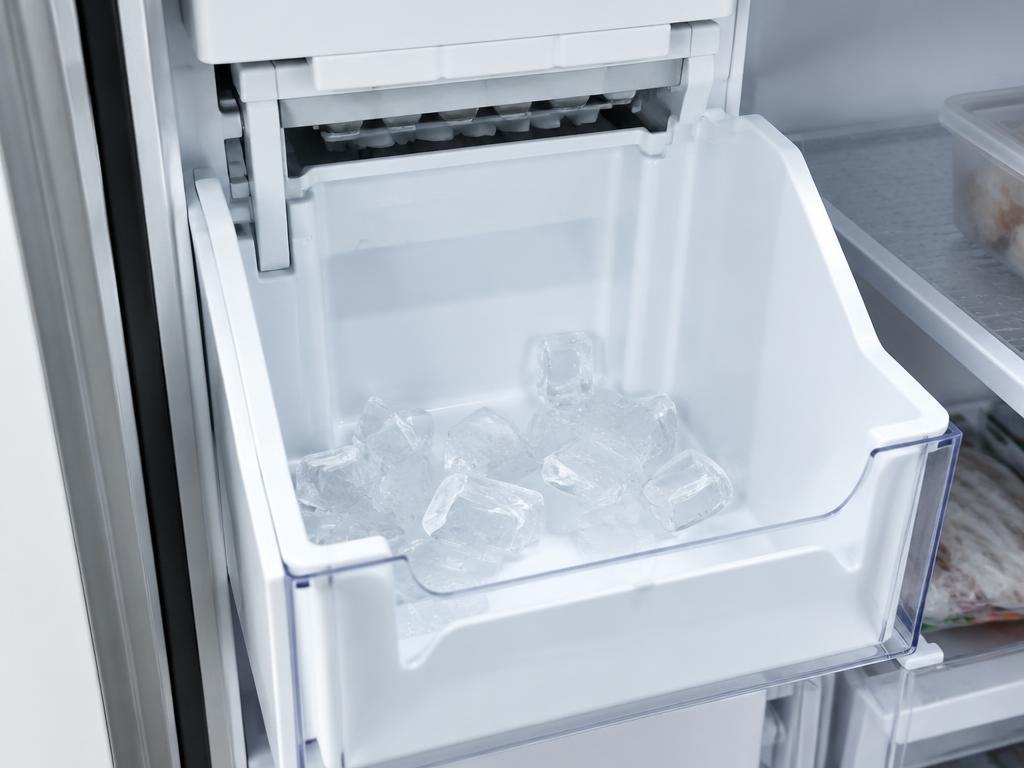
A working ice maker is easy to take for granted until the bin stays empty for several days. The freezer may still feel cold, and the refrigerator may appear to be operating normally, which makes the cause confusing. For homeowners in Longmont and surrounding Northern Colorado communities, the best first step is separating a basic setup problem from an ice maker component failure.
Quick answer: An ice maker can stop producing ice because it is switched off, the freezer is too warm, the water supply is restricted, a filter is clogged, the fill tube is frozen, or an internal ice maker component has failed. Start with the controls, temperature, and accessible water supply before arranging repair.
Check Whether the Ice Maker Is Enabled
Some refrigerators use a control-panel setting; others use an on/off switch, sensor, or shutoff arm. A recent cleaning, vacation setting, or crowded ice bin can change the position of a control. Consult your model's manual and confirm that the ice maker is enabled.
Also check whether the ice bin is seated correctly and whether ice is blocking a sensor or mechanism. Do not force a stuck arm or reach into moving ice maker parts while they are operating.
Is the Freezer Cold Enough?
Ice makers depend on freezer temperature. If the freezer is too warm, the appliance may delay or stop harvesting ice even when frozen food still feels cold. A setting near 0°F is generally appropriate for freezer storage, but specific ice maker requirements vary by model.
Check the temperature with an appropriate thermometer and look for other freezer symptoms such as soft ice cream, excessive frost, or a door that does not seal. If the freezer itself is struggling to cool, fixing the ice maker alone will not solve the real problem.
Water Supply Issues That Affect Ice Production
A closed or partially closed water valve
Refrigerator water lines typically connect to a household shutoff valve. If the valve is closed or a supply line is kinked, water may not reach the ice maker. Inspect only visible, accessible plumbing. Do not move a refrigerator in a way that strains the water line or power cord.
An old or blocked water filter
On compatible models, a clogged filter may reduce water flow. Check the manufacturer's replacement schedule and instructions. Use the correct filter for the refrigerator rather than assuming any cartridge will fit or work properly.
A frozen fill tube
Water can freeze in the tube that supplies the ice maker. This may be linked to temperature settings, a leaking inlet valve, or another issue. Repeatedly thawing a blocked tube without addressing the cause may only lead to the same problem returning.
A defective inlet valve
An electrically controlled valve regulates water entering the refrigerator. A valve failure may prevent filling or contribute to a leak. Because diagnosis involves water and electrical systems, a qualified technician should perform component testing.
When the Ice Maker Mechanism Is the Problem
An ice maker includes moving and sensing components that vary significantly by brand and model. If water is available and the freezer is cold but the unit does not cycle, a motor, sensor, control, or ice maker assembly may need inspection. Clicking, repeated cycling attempts, or recurring error messages may provide clues.
Do not insert tools into the ice maker mechanism or remove electrical covers. Trying to force a harvest cycle on the wrong model can damage the system.
Simple Homeowner Checklist
Confirm the ice maker switch is on. Check the freezer's actual temperature. Verify that the ice bin is installed correctly and that no packaging or stored food obstructs the mechanism. Look for a visibly kinked supply line only if it is safely accessible. Review the water filter condition and any error indicators described in the manual.
Newly installed or recently reconnected refrigerators can require time before normal ice production resumes. Consult the model-specific guidance rather than assuming an immediate failure.
Not All Ice Maker Problems Look the Same
A completely empty bin, small or hollow ice cubes, and ice that forms but will not dispense are three different symptoms. No cubes at all may direct attention toward filling, temperature, or the ice maker cycle. Small cubes can be linked to restricted filling. Ice that forms normally but does not reach the glass may involve the dispenser or a frozen passage.
Describe what the ice maker actually does rather than only saying it is broken. If it makes ice occasionally, note whether the problem began after a filter change, a power outage, or a change in freezer settings. This can help the technician narrow the possibilities without treating every ice maker symptom as the same repair.
Frequently Asked Questions
Why does my water dispenser work when the ice maker does not?
The dispenser and ice maker may have separate control or water-delivery components. Working dispenser water does not rule out a frozen fill tube or ice maker failure.
Can a clogged refrigerator filter stop ice production?
Yes, on some models a restricted filter can reduce water delivery. Check the manufacturer's filter guidance and confirm that the replacement is compatible.
Is it safe to thaw a frozen ice maker with a hair dryer?
Avoid improvised heat near plastic parts, water connections, and electrical components. Follow the refrigerator manufacturer's instructions or seek professional service.
Schedule Ice Maker Repair in Longmont
If your ice maker remains empty after basic checks, or if it begins leaking or freezing up repeatedly, the cause may be mechanical or water-related. Woelfel Appliance Repair provides ice maker and refrigerator service for Longmont and surrounding Colorado communities. Visit our contact page or call 303-481-2363 to ask about service options.
Explore our repair services or contact Woelfel Appliance Repair to request service.