
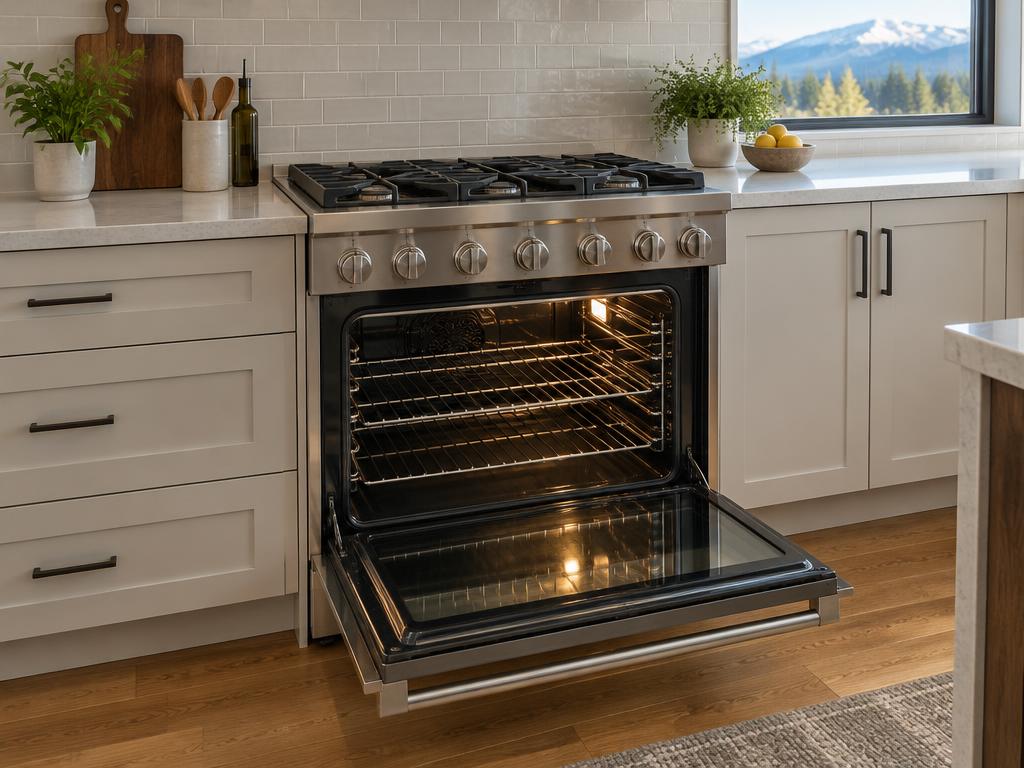
Dinner plans get complicated when the oven seems stuck on preheat. Perhaps a recipe that usually takes 20 minutes now takes much longer, or the temperature display says the oven is ready but the food cooks unevenly. A slow-heating oven is a common reason homeowners seek oven repair in Longmont and nearby Northern Colorado communities.
Quick answer: Slow preheating can result from normal oven settings, a door that does not seal properly, a weak or failed heating element, gas ignition trouble, temperature-sensing problems, or a control issue. Compare the appliance with its usual performance and follow the manufacturer's instructions before deciding it needs repair.
What Counts as an Unusually Slow Preheat?
There is no single preheat time that applies to every oven. Oven size, starting temperature, cooking mode, intended temperature, and manufacturer design all matter. Some models pause or cycle heating elements during preheat for temperature control. A convection mode may also behave differently from a standard bake mode.
Instead of comparing your oven with an unrelated model, consider its own pattern. Has the same oven started taking substantially longer than it used to? Is the food baking differently? Does the preheat indicator stay on indefinitely? Those changes can signal a performance problem.
Why Gas and Electric Ovens Heat Slowly
A worn or failed electric heating element
An electric oven may use separate elements for baking and broiling. If one element is failing, the oven might still produce some heat but struggle to reach or maintain its set temperature. Visible damage may sometimes be apparent, but a working diagnosis requires electrical testing by a qualified professional.
A weak gas oven igniter
Many gas ovens use an igniter that must operate correctly before gas is released and lit. A weak igniter may glow without performing as intended, leading to delayed or failed ignition. Gas appliance components should not be repaired by guesswork. If you smell gas, leave the area and contact your gas utility or emergency services from a safe location.
A door that leaks heat
An oven gasket that is torn or out of position may allow heat to escape. A damaged hinge or door-latching problem can have a similar effect. Look at the visible gasket only after the oven is completely cool. Do not operate an oven with a door that cannot close properly.
Sensor or thermostat problems
A temperature sensor helps the control system determine how much heat is needed. If the sensor or a related control is inaccurate, the displayed temperature may not match actual cooking conditions. A technician can test these components for the specific model.
A control or power supply issue
In some cases, a faulty control board, relay, or electrical supply problem interferes with heating. A 240-volt electric oven may have a power issue that affects heating without making every feature appear completely dead. Avoid opening electrical panels or testing live wiring yourself.
Checks You Can Make Without Opening the Oven
Confirm you are using the intended bake mode rather than a lower-temperature specialty setting. Make sure cookware and oven racks are placed according to the manual. Remove unnecessary cookware that could influence heating. Check whether the door closes fully and note any displayed error code.
If you use a separate oven thermometer, remember that oven temperatures naturally rise and fall during heating cycles. One instantaneous reading does not prove that the appliance is inaccurate. Look for consistent performance changes over multiple uses, rather than adjusting controls after a single reading.
Why Prompt Oven Repair Matters
An oven that takes too long to preheat may waste time, but the more important concern is unreliable cooking performance. Inconsistent temperatures can produce undercooked food, burnt edges, and frustrating baking results. Gas ignition or electrical problems may also involve safety risks that should not be ignored.
When scheduling service, provide the oven brand and model number, whether it is gas or electric, the approximate time needed to reach a typical baking temperature, and any new noises or error messages. These observations help the technician begin with a focused diagnosis.
Track Symptoms Instead of Guessing at Parts
If a slow-preheating oven is still safe to operate, note whether the problem happens in bake mode, broil mode, or both. Include any visible error message and whether the oven has recently had a power interruption. A newly installed oven may also require model-specific setup steps that differ from those of the old appliance.
Do not order a heating element, igniter, or temperature sensor based only on a general internet checklist. Similar symptoms can come from different faults, and the wrong part may not solve the issue. Model-specific testing is the safer way to understand what the oven actually needs.
Frequently Asked Questions
Why does my electric oven heat but never reach the set temperature?
A damaged element, temperature sensor, or control problem may be involved. A professional diagnosis is needed to determine which component is responsible.
Is a slow-preheating gas oven dangerous?
Slow preheating alone does not identify a hazard, but delayed ignition, unusual gas odors, or abnormal burner behavior require attention. If you smell gas, leave the property and contact the gas utility or emergency services.
Should I use self-clean to fix an oven that heats slowly?
No. Self-clean is not a repair method and places the appliance under high heat. Address the underlying heating problem first.
Get Oven Repair Help in Longmont, CO
If your oven no longer heats the way it used to, Woelfel Appliance Repair can help assess gas and electric oven problems in Longmont and surrounding Colorado communities. To discuss an appointment, visit our contact page or call 303-481-2363.
Explore our repair services or contact Woelfel Appliance Repair to request service.